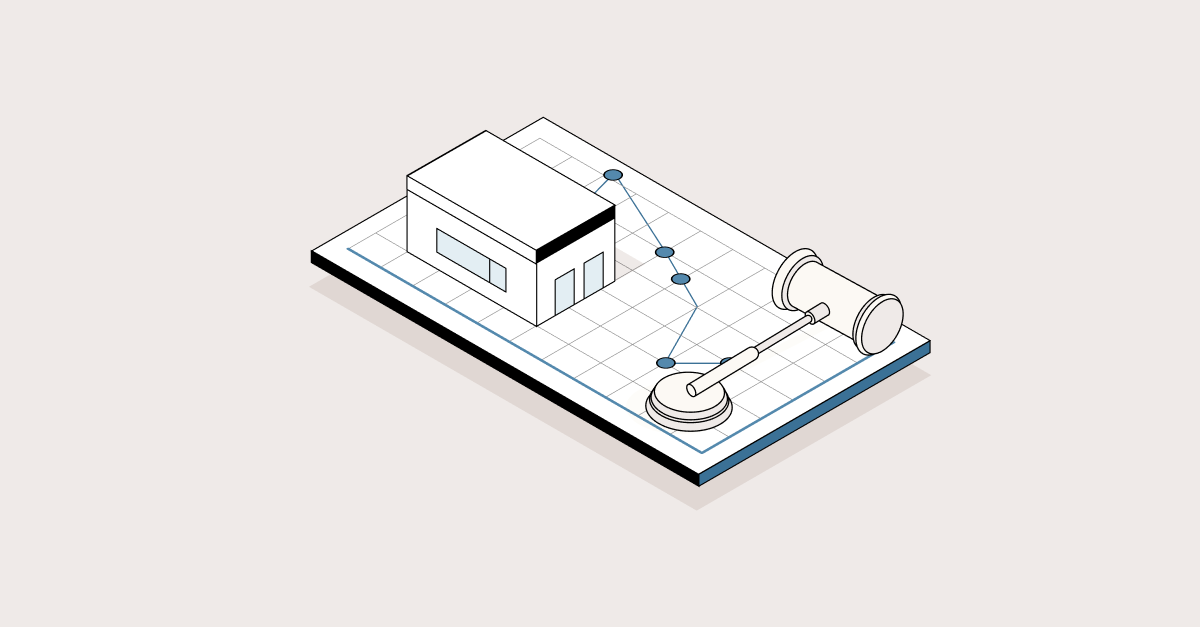
It used to be a sleepy, overlooked corner of the venture capital landscape. Today, it’s where VCs turn for the chance to invest in some of the biggest and most valuable startups in the world.
Welcome to the venture secondaries market, a rapidly growing segment of the private markets that’s attracting more and more attention—and more and more dollars—from VC investors.
In recent years, the secondary market has become the primary place where many startups and their investors are able to access liquidity, filling the void created by an extended quiet period in the IPO market. In the 12 months from July 2024 through June 2025, total VC secondary transaction value reached an estimated $61.1 billion, surpassing the combined value of all VC-backed IPOs over the same period ($58.8 billion).
Today, top startups are staying private for much longer than they used to. Some companies that are able to meet their capital needs on the private market may forgo IPOs altogether. In this new-look market, VC secondaries have emerged as an increasingly critical tool.
“The liquidity cycle is so long now. LPs are just dying for DPI,” says Charles Jaskel, co-founder at New Vintage Partners, a secondary investor that focuses on LP stakes in venture. “When you think about pressure building up in a system, where’s that release valve coming from? It comes in secondary markets. And that’s why there’s been such an explosion.”
Why VC secondaries are surging
The lengthening of the liquidity cycle has had a clear impact on the fund economics of active VC funds. In many cases, LPs committed capital to these funds thinking the fund lifespan would be somewhere between 10 and 12 years. When that cycle is extended, liquidity is delayed. Jaskel says that some active VC funds may ultimately take 15 to 20 years to exit all of their portfolio positions and fully return capital to their LPs.
But it often doesn’t take that long to identify the top startups. Many companies that are currently still private have long since established themselves as leaders in their respective spaces, including names like SpaceX, Stripe, and OpenAI.
“You don’t need to wait 10 years for the winners to become apparent,” Jaskel says.
The result of this dynamic is that many funds are holding highly valuable assets that lack a clear pathway to a traditional exit. For investors eager for liquidity, VC secondaries can offer a welcome alternative.
From the perspective of an investor like Jaskel, using secondaries as a way to invest in high-growth startups holds clear appeal. In many cases, secondaries are the only way for investors to get access to highly sought-after companies that aren’t trading anywhere else. Compared to investing in startups through primary rounds, VC secondaries can also carry a lower risk profile and a shorter expected holding period before an exit is achieved.
In these respects, secondaries are sometimes seen as a way to mitigate the J-curve of returns that is commonly seen in private markets. By investing later, secondary investors hope to avoid the initial dip in a J-curve return profile and limit their ownership to a shorter, more profitable period in the company’s lifespan.
“It’s a really interesting way to access private markets in a much less volatile, shorter duration, and frankly more targeted manner,” says Ben Slome, a co-founder at New Vintage Partners alongside Jaskel.
What VC secondaries look like
Venture secondaries are often highly bespoke transactions structured to fit the specific needs of a company or its investors. But there are a few different structures of venture secondary deals that tend to appear most frequently.
Traditionally, most venture secondaries that took place were fund secondaries, where one LP bought a stake in a GP-led venture fund from another LP. Because a fund typically holds positions in many different companies, the buyer in a fund secondaries transaction gets access to a diversified portfolio of venture-backed startups.
But the market is changing. When investors like Jaskel and Slome talk about the recent boom in the VC secondary market, they’re talking mostly about direct secondaries, where an investor buys a secondary stake in a particular company, rather than in an entire fund. These direct secondaries are typically structured either as a tender offer, in which eligible shareholders are given the chance to sell some of their holdings at a predetermined price, or as a one-off transaction in which a shareholder negotiates directly with a secondary buyer.
In particular, the market for venture-backed tender offers has been gaining steam in recent quarters, with total transaction value on Carta climbing 68% year over year during Q2 2025.
A nascent market
Of course, different investors approach the secondary market in different ways. Evolution Equity is a cybersecurity investor that uses direct secondaries as part of a strategy that also includes primary investments in new startups. It typically buys secondary stakes directly from investors who are on the cap table. New Vintage, meanwhile, primarily acquires LP interests in venture-backed startups from large allocators, targeting both startup and fund stakes.
Some truths apply regardless of a fund’s specific approach. Venture capital as a whole is a private market where information and access to deals can be difficult to find and an accurate, market-based price can be difficult to ascertain. The venture secondary market tends to be even more opaque. For investors, this puts a premium on access to information, market knowledge, and confidence in pricing.
“Venture growth is still very new, in the sense that you are still seeing a lot of barriers to entry,” Jaskel says. “Data is a really big barrier to entry. Knowing what’s in certain funds, and where that’s priced, and how funds mark things.”
Compared to private equity secondaries, or even to VC fund secondaries, the market for buying direct secondary stakes in venture-backed startups is still in some ways an emerging one, with norms and structures still being defined. Yet this uncertainty hasn’t stopped investor interest in the space from exploding.
The car is in some ways still being built, but it’s already barreling down the road.
“Ten or 15 years ago, the secondary market was nascent in venture,” says Richard Seewald, founder and managing partner at Evolution Equity Partners. “But venture secondaries have become more important in portfolio construction over the last five to seven years.”
Why startups choose secondaries
From the perspective of a venture-backed company, the primary motivation for running a tender offer or approving other types of secondary transactions is to provide liquidity to early investors or employees. By cashing in some of their shares, investors can generate returns for their LPs, and employees or other shareholders can see a material financial benefit from the company’s success.
Companies might also have other reasons to arrange or support secondary transactions, according to Seewald. Offering the chance for liquidity can be a powerful tool for employee retention or for attracting new talent. Secondaries can help a company clean up its cap table or otherwise adjust its financial structure.
In some instances, investors who buy into a secondary round might also invest in primary rounds, or they might be experienced operators who can offer useful strategic guidance. If that’s the case, secondary investors can function similar to investors in a new primary venture round.
“We’re not just capital that comes in and buys the secondary,” Seewald says. “We should be considered as a primary investor that can invest in the next round of funding and can be helpful in generating very industry-specific value to an organization.”
The recent surge of interest in venture secondaries is closely linked to the relative dearth of IPOs in recent years. But this doesn’t mean that deciding between a secondary transaction and an IPO is an either/or proposition. Secondaries are typically not an end in and of themselves. For most venture-backed companies, they’re just another step in the long journey from founding to an eventual exit.
“Secondaries are a tool that shareholders, founders, and executives can utilize as a retention lever on the pathway to a more substantive liquidity event,” Seewald says.
Sign up for the Data Minute newsletter

DISCLOSURE: This communication is on behalf of eShares, Inc. dba Carta, Inc. ("Carta"). This communication is for informational purposes only, and contains general information only. Carta is not, by means of this communication, rendering accounting, business, financial, investment, legal, tax, or other professional advice or services. This publication is not a substitute for such professional advice or services nor should it be used as a basis for any decision or action that may affect your business or interests. Before making any decision or taking any action that may affect your business or interests, you should consult a qualified professional advisor. This communication is not intended as a recommendation, offer or solicitation for the purchase or sale of any security. Carta does not assume any liability for reliance on the information provided herein. © 2026 Carta. All rights reserved. Reproduction prohibited.