What is waterfall modeling?
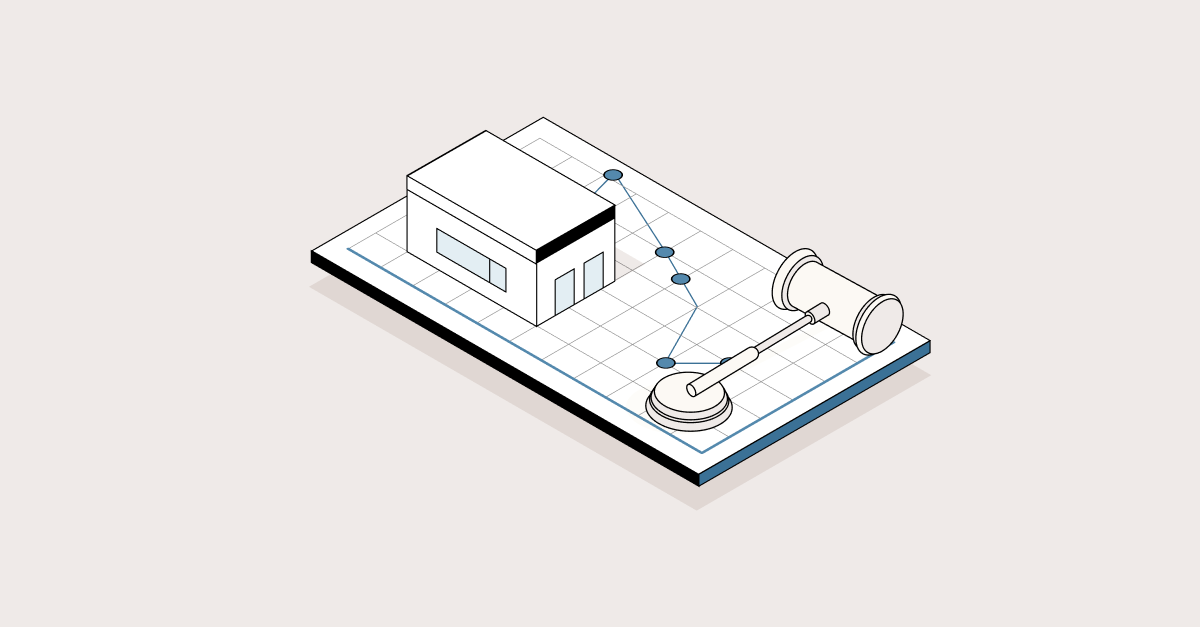
Waterfall modeling is a financial exercise used by investors and their portfolio companies to determine how proceeds are distributed among equity holders during a liquidity event, such as an acquisition.
Venture capital and private equity investment firms typically build waterfall models to predict the value of returns for their portfolio company investments. These models can be based on a number of variables, including the type of equity held, the timing of a potential exit, and the valuation of each company at the time of exit. Upon a liquidity event, some unitholders in LLCs (or stockholders in corporations) may receive a larger return than others depending on the company’s valuation and liquidation structure; some may receive no return at all.
Most LLC operating agreements—or certificates of incorporation for C-corporations—define a clear pecking order for how different types of unitholders will be paid out in such an exit event. This payout structure is called waterfall analysis or an exit waterfall, because of how distributions “spill over” from one class of unitholder to the next, moving down the cap table.
The complexity of a particular waterfall model depends on a number of factors, but is strongly related to the complexity of a company’s cap table.
What’s new in Carta Waterfall Modeling
Behind Carta Waterfall Modeling is a dedicated team of ex‐bankers, deal lawyers, and CFOs with more than 80 years of combined experience building, checking, and defending waterfall models in high‑stakes transactions.
Our specialists translate complex PE and LLC structures into deal‑ready, audit‑ready waterfalls inside Carta. The result is a single, trusted view of who gets what at every exit value, so PE deal teams, corporate development, and portfolio company CFOs can move faster with more confidence.
Carta Waterfall Modeling has evolved from a single‑entity calculator into a fuller workflow for PE deal teams, corporate development, and portco CFOs. The focus of these updates is to make it easier to see who gets what at different exit values…without living in Excel.
1. Better support for complex LLC and PE‑backed structures
Many portfolio companies now sit inside multi‑entity structures—for example, a holdco with blockers, co‑invest vehicles, and separate management equity entities. Carta’s upgraded waterfall can now calculate distributions across these intermediate entities, not just at the operating company level.
For deal teams and CFOs, this means:
You can trace value from a proposed sale price at the opco all the way through holdcos and management vehicles to the final owners, using the actual structure encoded in Carta.
The model understands hurdles, catch‑ups, and different share/unit classes as they’re written in the operating agreement, instead of relying on one‑off spreadsheet logic.
Outputs are consistent from one run to the next, which helps when supporting a sale process, refinancing, or year‑end close.
2. Waterfall modeling for LLCs
Carta has invested heavily in its waterfall engine for LLCs and PE-backed companies, so your payout calculations stay aligned with both your operating agreement and the internal Excel model many teams treat as their source of truth.
Custom‑coded operating agreements. For LLCs, we build the waterfall directly from your operating agreement, including capital contributions, preferred returns, profits interests, and pro rata splits—so the payout math in Carta mirrors the document your lawyers drafted.
Support for your existing Excel model. Most clients maintain an internal Excel model as their source of truth. You keep full control over that model while our team implements the waterfall from your operating agreement and corroborates it against your approved internal model.
LLCs in Carta Web. The Cap Table Builder can create LLCs (including PIUs) directly in Carta Web, and those entities can be modeled using our Niagara waterfall tool, with setup based on your operating agreement. The new Waterfall view replaces the older “Scenario Modeling” tab and gives a clearer, more visual way to see distribution outcomes for each unit holder.
Hands‑on setup for complex deals. Carta’s implementation team reviews your operating agreement and configures the correct distribution rules, including holder‑level nuances and custom terms.
As a result, LLC CFOs and controllers get a single system where the cap table, operating agreement logic, and waterfall calculations stay in sync.
3. Faster workflows and an Excel plug‑in
Many deal teams still rely on Excel for ad‑hoc analysis. Carta’s updates are designed to keep that flexibility while reducing risk:
Excel plug‑in. An Excel plug‑in now connects directly to your Carta waterfall models, so you can pull live payout results into spreadsheets for side‑by‑side comparisons, board materials, or banker decks—without rebuilding the logic each time.
Time savings vs. spreadsheet‑only models. Messaging research shows customers who switch from pure‑Excel waterfalls to Carta’s software save nearly 30% of the time they previously spent building and updating models, and 8 out of 10 say Carta’s experience is better than spreadsheets for this work.
For busy CFOs and deal leads, that translates into faster iteration on deal terms, cleaner support for QA and diligence, and fewer last‑minute version‑control issues before a signing or close.
Download the waterfall modeling guide
This guide includes a glossary of over 20 key terms and quick links to our most popular tools for LLCs: the exit simulation template and equity blueprints for LLCs and PE firms.

DISCLOSURE: This communication is on behalf of eShares, Inc. dba Carta, Inc. ("Carta"). This communication is for informational purposes only, and contains general information only. Carta is not, by means of this communication, rendering accounting, business, financial, investment, legal, tax, or other professional advice or services. This publication is not a substitute for such professional advice or services nor should it be used as a basis for any decision or action that may affect your business or interests. Before making any decision or taking any action that may affect your business or interests, you should consult a qualified professional advisor. This communication is not intended as a recommendation, offer or solicitation for the purchase or sale of any security. Carta does not assume any liability for reliance on the information provided herein. ©2026 Carta. All rights reserved. Reproduction prohibited.