- Investor reporting: From compliance to strategy
- What is investor reporting for private funds?
- What to include in an investor report
- Key performance metrics for LPs
- Financial statements and supporting schedules
- Qualitative updates
- How to structure your investor report
- Best practices for creating investor performance reports
- Consistency and frequency
- Clarity and conciseness
- Data accuracy and validation
- Visualizations and data storytelling
- Personalization and communication
- Compliance and regulatory requirements
- Common challenges in fund investor reporting
- The risks of manual processes and disconnected data
- Meeting rising LP expectations for transparency and security
- Best practices for strategic investor reporting
- Maintain data integrity and audit readiness
- Establish a consistent and timely reporting cadence
- How a unified platform transforms investor reporting
- A single source of truth for real-time accuracy
- Automated workflows from data collection to delivery
- Delivering a superior LP experience
- Using reporting to drive strategic conversations
- Frequently asked questions about investor reporting
- What are the primary types of investor reports?
- How often should I send reports to my LPs?
- Should reports be customized for different investors?
- What is the difference between investor reporting for a startup and a venture capital or private equity fund?
- How can I report on performance for an LP invested across multiple funds?
- What is the best way to handle ad-hoc data requests from LPs?
- What are LP returns?
- How often should GPs send LP reports?
- What is an ILPA report?
What is investor reporting for private funds?
Investor reporting is the process fund managers use to communicate financial performance, portfolio updates, and operational information to their investors, known as limited partners (LPs). This regular communication is a fundamental responsibility that ensures transparency and accountability for the capital that LPs have committed to your fund.
For modern funds, the investor reporting process is a cornerstone of investor relations and a critical function for maintaining investor confidence and demonstrating fiduciary responsibility. Effective investor reporting builds the trust and transparency necessary to secure future fundraising and strengthen partnerships. It transforms a mandatory obligation into an opportunity to demonstrate your value as a fund manager and reinforce an LP’s decision to invest with your firm. When done well, reporting builds the trust necessary to secure capital for future funds, a critical advantage when LPs are steering most capital toward the largest, most experienced funds with the strongest track records.
What to include in an investor report
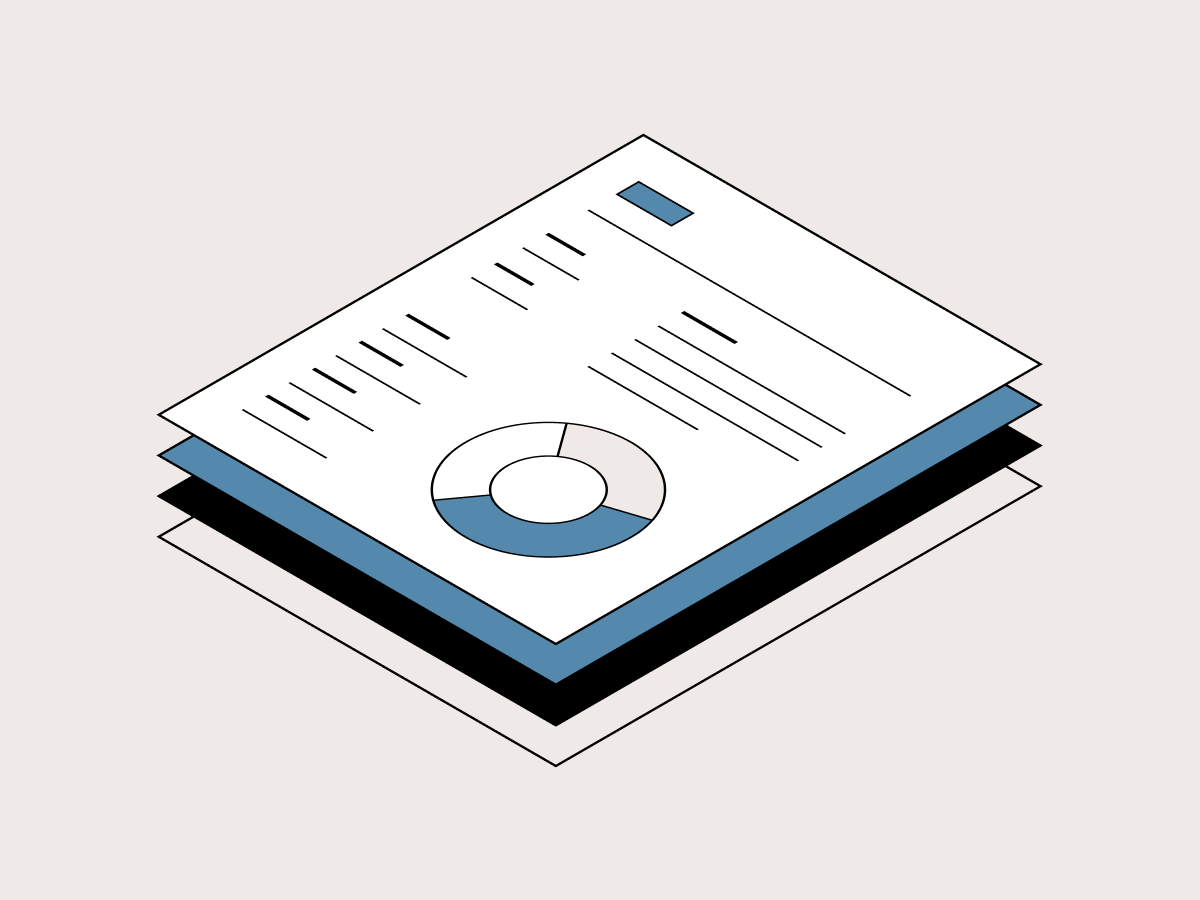
Comprehensive financial reporting gives your LPs a complete and transparent view of the fund's health and progress. While the exact format of these reports can vary from one firm to another, top-quartile funds consistently include a core set of quantitative and qualitative elements to keep their partners fully informed. Think of this package as the official update on how you are managing their capital and how the fund is performing against its goals.
A complete reporting package typically includes the following documents and metrics:
Key performance metrics for LPs
LPs use a core set of fund performance metrics to evaluate a fund's health and track its progress over time. These are the industry-standard calculations used to measure a fund's returns and overall health. As explained during the Building an Investment Track Record webinar, LPs rely on these metrics, such as the public market equivalent (PME), to normalize returns across different asset classes and understand how their money is performing over time. Key metrics include:
Total value to paid-in capital (TVPI): This shows the total value of an LP's investment, including both realized cash returns and the unrealized value of remaining investments, relative to the capital they have contributed.
Distributions to paid-in capital (DPI): This metric, also known as the cash-on-cash return, shows how much capital has actually been returned to the LP from the fund's investments.
Residual value to paid-in capital (RVPI): This represents the value of the investments still held in the fund relative to the capital contributed by the LP.
Net internal rate of return (Net IRR): This is the annualized rate of return on an investment accounting for the timing of all cash flows.
Financial statements and supporting schedules
Standard financial reporting documents form the backbone of any reporting package. These are the core accounting documents that LPs expect in order to get a detailed and official record of the fund's financial position. These statements provide the auditable data, often guided by standards like ASC 820, that supports the performance metrics and gives investors a detailed look into the fund's financial activities.
Partner capital account statement (PCAP): This is a periodic report detailing the LPs individual capital contributions, distributions received, allocated profits and losses, and current ending balance in the investment fund.
Schedule of investments (SOI): This is a detailed listing that outlines all portfolio investments held by the fund, including information such as acquisition date, cost, fair value, and ownership percentage.
Balance sheet: This provides a snapshot of the fund’s or entity’s financial position at a specific point in time, showing its assets, liabilities, and partners' equity.
Statement of cash flows: This shows the sources and uses of cash over a specific period, categorized by operating, investing, and financing activities to illustrate how cash moves through the fund.
Qualitative updates
The GP letter or narrative summary provides the crucial story behind the numbers. This is where you, the fund manager or general partner (GP), provide important context on the fund’s investment thesis, highlight progress at key portfolio companies, and share your perspective on broader market conditions that may be affecting your investments.
How to structure your investor report
A truly effective performance report tells a story. It provides context, offers insights, and ensures transparency. While there is no standard reporting template, and the specific content may vary based on the fund's strategy and investor preferences, several core components are essential.
Executive summary
The executive summary is the first, and often the only, section many investors will read in detail. It should provide a concise overview of the fund's performance, key activities, and significant events during the reporting period. This section is critical in any investor report.
Purpose: To provide a high-level snapshot of the most important information.
Content: Key performance indicators (KPIs), significant transactions, major market events impacting the portfolio, and a brief outlook for the next period.
Best practices: Use clear and concise language, avoid jargon, and focus on key takeaways. Quantify achievements with specific numbers and metrics.
Portfolio performance
The portfolio performance section of the investor report goes deeper into the fund’s performance. It provides a detailed analysis of returns, risk metrics, and attribution. Automated data tools are must-haves for portfolio risk management.
This section provides the narrative behind the numbers, offering both qualitative and quantitative updates on the underlying investments that drive fund performance. This is where GPs can provide essential context on the progress of the companies within the portfolio through active portfolio monitoring, explaining the story behind the fund's strategy and results.
A core component of this section is the SOI, a detailed list of every portfolio company that is the result of a comprehensive portfolio valuation process, including the cost and current fair value of each investment. Beyond the SOI, this section also includes updates on key milestones, performance highlights, and strategic developments for significant portfolio companies. It also provides details on any new or follow-on investments made during the reporting period, giving you a window into the fund's active management.
Content: Net and gross returns, benchmark comparisons, performance attribution (explaining the sources of returns), risk metrics (e.g., volatility, Sharpe ratio), and a breakdown of portfolio holdings.
Visualizations: Charts and graphs are crucial for illustrating performance trends and making complex data more digestible. Consider line charts for performance over time, bar charts for comparing returns to benchmarks, and pie charts for asset allocation.
Best practices: Clearly define the methodologies used for calculating returns and risk. Provide context for performance fluctuations, explaining any significant events or market factors that influenced results. Transparency is paramount in the best investor reports.
Capital account summary
This section serves as the LP's personal financial statement for their investment in the fund, detailing the items outlined in the limited partnership agreement (LPA). It details their specific financial position, which is distinct from the fund's overall performance, and gives them a clear view of their individual stake.
A comprehensive capital account summary includes several key elements that track an LP's financial journey with the fund from their initial commitment to their current standing. This personalized view helps you understand exactly where you stand.
Capital committed, called, and contributed
Distributions received, which are calculated through a process known as waterfall modeling
Management fees and allocated fund expenses
Remaining unfunded commitment
Market overview and commentary
The third section of the investor report places the fund's performance within the broader market context. It provides insights into market trends, economic conditions, and geopolitical events that may affect the portfolio. This section is important for both investor updates and more comprehensive performance reports.
Content: A summary of key market developments, analysis of their potential impact on the portfolio, and the fund manager's perspective on current market conditions.
Best practices: Focus on relevant market factors and avoid excessive jargon. Provide an objective analysis and avoid making unsubstantiated predictions.
Operational updates
The updates section covers any significant operational changes within the fund and is often a key part of an investor update. Capturing every document, everywhere, all at once is crucial for a full picture.
Content: Updates on fund operations, key personnel changes, new investments, divestments, legal or regulatory matters, and any other relevant operational information.
Best practices: Communicate changes clearly and concisely, focusing on material updates that directly affect investors.
Financial statements
The next section of an investor report presents the fund's financial position in detail. Extracting insights from fund financial statements is key to understanding performance.
Content: Balance sheet, income statement, cash flow statement, and other relevant financial data.
Best practices: Adhere to relevant accounting standards (e.g., GAAP, IFRS). Provide clear explanations of key figures and any significant changes in the fund's financial position.
Schedule of investments
This crucial section provides a detailed breakdown of all the companies held within the fund's portfolio.
Content: A list of all portfolio companies, including key figures for each investment such as investment date, current value, unrealized gains/losses, and performance metrics.
Best Practices: The schedule should be presented in a clear and organized manner, allowing for easy comparison between investments. Look for details on valuation methodologies and any significant changes in the portfolio's composition.
Looking ahead
The best investment performance reports provide an outlook for the future, outlining the fund's strategy and key priorities for the next reporting period.
Content: The fund manager's outlook on market conditions, planned investment strategies, key risks and opportunities, and any upcoming events or initiatives.
Best practices: Offer a realistic and data-driven outlook. Clearly communicate potential risks and opportunities.
By including these key components, you can create investor reports that are informative, engaging, and build trust with your investors. They’re the hallmarks of the best investor reports and the key to informative investor communications that drive investment growth.
Best practices for creating investor performance reports
Effective investor reporting isn't just about including the right information. Instead, it's about presenting that information in a way that is clear, concise, and engaging. Implementing best practices for investor reporting is crucial for building trust, strong investor relationships, and ensuring compliance. Whether you are creating a comprehensive investor report, a brief investor update, or shareholder updates, the following best practices can help you create best-in-class communications:
Consistency and frequency
Establishing a regular reporting schedule and adhering to it is paramount. Investors value consistency. Whether it's a monthly, quarterly, or annual report, a predictable cadence builds trust and allows investors to plan accordingly. Consistent investor reporting, whether in a full investor report or a simpler investor update, shows professionalism and commitment, which is especially important for regular shareholder updates. Streamlining capital account statement analysis is key for keeping to a schedule.
Clarity and conciseness
Investor reports should be easy to understand, even for those who may not have a deep understanding of finance. Use clear, concise language and avoid jargon and technical terms—or provide definitions when necessary. The best investor reports prioritize clarity. Remember that a well-written investor report isn’t about showcasing complex vocabulary but about effectively communicating key information.
Data accuracy and validation
Accurate data is the foundation of any credible investor report. Implement robust data validation processes to ensure the accuracy and integrity of all reported information. That includes verifying data sources, implementing quality checks, and using reliable portfolio analytics software to minimize manual errors. Inaccurate data undermines trust and can lead to serious consequences.
Visualizations and data storytelling
Data visualizations, such as charts, graphs, and tables, can make complex data more accessible and engaging. Use visuals strategically to highlight key trends, compare performance against benchmarks, and illustrate portfolio composition. The best investor reports use visuals to tell a compelling story with the data, making the information more memorable and impactful. Investment reporting is enhanced by strong visuals, and portfolio analytics and reporting for institutional investors demand those visuals.
Personalization and communication
While some information should be standardized across all reports, consider tailoring certain aspects to specific investor segments when appropriate. This might include providing additional context or focusing on specific metrics that are of particular interest to certain institutional investors. Personalizing investor updates and shareholder updates can strengthen investor relationships.
Compliance and regulatory requirements
Ensure that all performance reports comply with relevant regulatory requirements and reporting standards. That includes adhering to applicable accounting standards, disclosure requirements, and other legal obligations. Compliance is a critical aspect of investment reporting, and asset servicing automation can help ensure compliance.
Adopting a platform-based approach enables fund managers to move beyond basic compliance and embrace a new playbook for strategic LP reporting. These best practices represent the new standard for forward-thinking GPs who want to build deeper trust and a competitive edge.
Automate data flow, not just aggregate it. Instead of manually compiling data at quarter-end, adopt an LP reporting software that automates data collection, as 35% of LPs state that advanced digital analytics and reporting are a key factor when they are considering new managers. This direct integration eliminates manual entry errors and ensures the data you report is always accurate and up-to-date.
Provide on-demand access through a portal. The new standard for a differentiated LP experience is a self-service portal that provides LP portfolio analytics. This gives LPs a single, secure login to view performance metrics, access documents like the Schedule K-1 and capital call notices, and sign subscription documents related to offerings under rules like Regulation D. Providing this level of transparency and ease-of-use reduces the administrative burden on your team and builds significant trust with your investors by empowering them with information.
Deliver a superior investor experience. Your reporting process is a direct reflection of your firm's sophistication and operational excellence. A streamlined, professional experience—from digital closings to easy K-1 access via the LP Portal—signals to investors that your firm is well-managed.
In today's market, LPs are more likely to reinvest with a GP who demonstrates clear operational competence, particularly through transparent reporting and, most importantly, returning capital. With distributions to paid-in capital being called the metric that rules them all, the pressure on GPs is high. This is especially true in a market where global private equity exits shrank in value by more than 25% in 2023, and more than 61% of 2019 vintage funds had not returned any capital to LPs after five years. This liquidity crunch directly impacts future fundraising, as LPs rely on distributions to re-allocate back to new funds. Beyond cash returns, operational credibility is also on the line; LPs will question your credibility if portfolio valuations are marked too aggressively, making transparency essential for maintaining investor trust.
Common challenges in fund investor reporting
For many fund CFOs and controllers, the quarterly reporting cycle is a significant operational burden that scales with the size of the fund, and private funds have nearly tripled in size in the last decade. The administrative burden also scales with the number of LPs, and it’s not uncommon for a single fund to have dozens of LPs to manage. The median LP count for a fund with more than $250 million in assets is 104—four times higher than that of a small fund—and managing that many relationships represents a substantial operational lift each quarter. Managing more than a hundred different LP relationships can be a much larger lift than managing a few dozen, forcing fund CFOs to spend valuable time on low-level administrative tasks rather than high-impact strategic analysis.
The process often involves manually pulling stale performance data from disconnected spreadsheets and chasing portfolio companies for metrics via email. They then painstakingly compile and format this information in Word or PowerPoint.
This manual, error-prone process leaves fund professionals frustrated and searching through a clogged inbox for the information needed to compile an investor update. As Brian Profancik, senior vice president of accounting and finance at SageView Advisory Group, describes the challenge before adopting a unified platform, "The reporting in Carta is incredibly helpful. We’re no longer scrambling to track down documents." The risk of a single data entry error in a spreadsheet cascading through an entire report is significant, leading to hours of rework. These challenges create friction for both you and your LPs, making a critical process more difficult than it needs to be.
The risks of manual processes and disconnected data
Manual data collection from disparate spreadsheets, bank statements, and email threads is a common but risky practice. This approach often relies on stale data and creates version control issues, increasing the potential for human error.
These manual, error-prone processes can lead to inaccurate reports that damage a firm's credibility with its investors. They also make the annual audit a painful and time-consuming exercise, which can complicate regulatory filings like Form PF, as auditors must piece together information from multiple sources.
This reliance on manual data gathering often means you are working with outdated information. The lag in receiving data from third parties undermines the confidence that both you and your LPs have in the financials and can lead to misinformed investment decisions.
Meeting rising LP expectations for transparency and security
Today’s investors demand more than a static PDF delivered weeks after a quarter ends. Amid a prolonged slowdown in exits, with pre-exit ages at their highest in at least a decade, LPs are intensely focused on liquidity and concrete returns. After five years, more than three out of every five VC funds from the 2019 vintage had not yet distributed any capital back to their LPs, creating a dearth of distributions. Many LPs now expect on-demand access to this essential data instead of just reports on unrealized value.
To meet this demand for greater transparency and self-service access, modern fund managers are turning to secure investor portals that offer LP portfolio analytics. These portals provide LPs with a centralized place to view their information whenever they need it.
Distributing sensitive documents like K-1s via email creates security risks and a poor experience for your LPs. A frustrating LP experience creates unnecessary friction for your investors, who are often left to manage multiple logins and scattered files for their various investments. For an LP invested across multiple funds, navigating this fragmented reporting landscape is a considerable challenge.
Best practices for strategic investor reporting
Adopting a modern platform enables fund managers to implement best practices that transform reporting from a simple compliance task into a strategic function. These practices help build trust, improve efficiency, and strengthen relationships with LPs.
Maintain data integrity and audit readiness
A foundational best practice is to adopt a system that provides an unbroken, compliance-grade audit trail for every transaction, helping the fund adhere to all relevant private capital regulations. This ensures that all data is accurate, defensible, and ready for scrutiny at any time.
Establish a consistent and timely reporting cadence
Automation makes a timely cadence possible, helping firms meet regulatory deadlines requiring quarterly statements to be distributed within 45 days of a quarter’s end. This enables firms to deliver reports to LPs sooner and with greater confidence in their accuracy.
Request a demo to see how an integrated platform can help you automate your back office and exceed investor expectations.
How a unified platform transforms investor reporting
A modern, integrated investor reporting platform serves as the single source of truth for all of your fund operations, solving the challenges of the traditional process. This technology-first approach elevates fund administration from a back-office cost center to a strategic function that drives efficiency and strengthens investor trust, which is essential for any fund manager.
A single source of truth for real-time accuracy
A unified platform with automated data collection directly addresses the pain point of stale and unreliable data. By using an event-based general ledger, which records transactions as they happen, and direct banking integrations, a solution like Carta Fund Financials ensures that all of your reports are generated from live, accurate data.
This stands in stark contrast to the traditional model, where fund administrators often work with month-end data. That method creates delays and requires manual reconciliation that can introduce errors, compromising the integrity of your final report. With a single source of truth, every transaction is captured as it happens, providing you and your LPs with an up-to-the-minute view of the fund’s financial health.
Automated workflows from data collection to delivery
An integrated platform also solves the problem of disconnected workflows by automating the entire reporting process from start to finish. It streamlines the creation of financial statements, performance metrics, and investor notices, freeing up your finance team's time for higher-value work.
Connected solutions further enhance this efficiency. By pulling data directly from your portfolio company cap tables, the platform eliminates the tedious manual data collection required for an accurate portfolio valuation. This creates a defensible, transparent audit trail that gives auditors, LPs, and regulators confidence in the numbers for filings like Form PF. As Profancik noted, this consolidation is a significant improvement: “The reporting in Carta is incredibly helpful. We’re no longer scrambling to track down documents.”
Delivering a superior LP experience
In a competitive fundraising environment, the experience you provide to your LPs is a key differentiator. A seamless, professional, and secure digital experience is an expectation that demonstrates your firm’s operational excellence and respect for your partners' time. In today’s market, LPs expect transparent and credible reporting; being too aggressive with portfolio marks may cause LPs to question your credibility as a fund manager.
The Carta LP portal embodies this modern experience. It provides a single, secure login where your LPs can self-serve to access everything related to their investment with your fund. This includes their initial subscription documents, ongoing performance metrics, quarterly financial statements, and year-end tax documents.
Traditional LP experience | The Carta LP experience |
Receiving sensitive information via insecure email | Accessing all documents in a secure, centralized investor portal |
Juggling multiple logins for different funds | A single login to view their entire portfolio on Carta |
Manually tracking commitments and performance | On-demand access to real-time performance dashboards |
Contacting the GP for routine data requests | Self-service access to financial statements and reports |
Using reporting to drive strategic conversations
When the administrative burden of reporting is automated, you and your fund CFO can shift your focus from assembling data to performing LP Portfolio Analytics. This pivot allows you to communicate valuable insights and move from a reactive compliance role to a proactive strategic one.
The Partners Dashboard serves as the CFO's command center for investor relations. It provides a holistic, firm-level view of all LP commitments, contributions, and performance—including progress toward the fund's hurdle rate—across all of your funds and entities. This empowers your finance leaders to have data-driven conversations about investor ROI and fund strategy, helping them build a strong investment track record and solidifying their role as a strategic advisor to the firm.
This shift is critical for fund managers who want to focus on what they do best: investing. As J.B. Handley, co-founder of Bochi Investments explained, "None of this administrative work makes me a better investor. My core skill is to find good companies to invest in. It’s not a good use of time to spend hours worrying about compliance or administration." By leveraging technology to handle the administrative load, you can dedicate your energy to finding the next great investment and managing your portfolio.
To see how Carta’s unified platform can automate your back office and transform your investor reporting, request a demo.

Frequently asked questions about investor reporting
What are the primary types of investor reports?
The most common reports for private funds include the quarterly reporting package, which contains the PCAP and SOI, as well as capital call and distribution notices. Funds also deliver an annual K-1 tax package, which is derived from the partnership's Form 1065, to each investor.
How often should I send reports to my LPs?
The industry standard is to provide financial and performance updates to LPs on a quarterly basis. Audited financials and tax documents, such as the K-1, are typically delivered annually.
Should reports be customized for different investors?
While the core data remains consistent for all investors in a fund, a modern investor reporting tool like Carta allows for customized views. This can include an aggregated dashboard for an institutional LP with multiple investments or an individual investment view in the LP portal.
What is the difference between investor reporting for a startup and a venture capital or private equity fund?
Startup reporting focuses on a single company's operational metrics like revenue and cash burn, whereas fund reporting aggregates performance across a portfolio of multiple companies and requires specific fund-level metrics and regulatory documents.
How can I report on performance for an LP invested across multiple funds?
A sophisticated fund administration platform can consolidate an LP's investments across various funds and special purpose vehicles (SPVs) into a single, unified dashboard, providing a comprehensive view of their entire relationship with the firm.
What is the best way to handle ad-hoc data requests from LPs?
Empowering LPs with a self-service investor portal is the most efficient approach, as it allows them to find answers to most questions independently, such as how the fund is performing using a public market equivalent (PME) analysis, and reduces the volume of one-off requests to the finance team.
What are LP returns?
LP returns are the cash and stock distributions an investor receives from a fund's successful investments, often paid out according to the established liquidation preferences. These returns are detailed in the LP's capital account statement within the report.
How often should GPs send LP reports?
The industry standard is to provide LP reports on a quarterly basis. In addition, a comprehensive, audited annual report, which relies on year-end portfolio valuations, is typically delivered to LPs once a year.
What is an ILPA report?
An ILPA report refers to a reporting format that follows the Institutional Limited Partners Association's standardized template, which complements formal regulations. This template is designed to promote more uniform reporting practices and improve transparency around fund fees, expenses, and carried interest, the calculation of which can be clarified with waterfall modeling software.

DISCLOSURE: This communication is on behalf of eShares, Inc. dba Carta, Inc. ("Carta"). This communication is for informational purposes only, and contains general information only. Carta is not, by means of this communication, rendering accounting, business, financial, investment, legal, tax, or other professional advice or services. This publication is not a substitute for such professional advice or services nor should it be used as a basis for any decision or action that may affect your business or interests. Before making any decision or taking any action that may affect your business or interests, you should consult a qualified professional advisor. This communication is not intended as a recommendation, offer or solicitation for the purchase or sale of any security. Carta does not assume any liability for reliance on the information provided herein. ©2026 Carta. All rights reserved. Reproduction prohibited.