- The secondary market, explained
- What is a secondary market?
- Primary market vs. secondary market
- The public secondary market
- The private secondary market
- What is a secondary market transaction?
- Types of private secondary transactions
- Tender offers
- Direct secondary sales
- Other private market secondaries
- Why run a secondary transaction?
- Planning your first secondary transaction
- Setting the rules and eligibility
- Determining a fair price
- Communicating with stakeholders
- Keeping your cap table clean after a liquidity event
- Frequently asked questions about secondary markets
- Can a company block a secondary sale?
- How does a secondary sale affect our 409A valuation?
- What are the tax implications for employees who sell shares?
- Who typically buys shares in a private secondary transaction?
- Does a secondary transaction dilute existing shareholders?
Private secondary transactions give shareholders of private companies an opportunity to liquidate some or all of their shares. Liquidity can allow early investors to secure a return on their investment and gives employees the chance to cash in their equity compensation before an exit event, such as an initial public offering (IPO) or acquisition. Secondary transactions in venture capital-backed companies have given rise to their own market.
What is a secondary market?
A secondary market is any financial market where investors buy and sell securities (like stocks, bonds, or options) from other investors, rather than directly from the issuing company. It’s “secondary” to a primary market, where securities are issued and placed into the market by an issuer in an IPO, priced fundraising round, or other initial offering. The two markets serve different purposes in a company's lifecycle, especially when it comes to raising capital and providing liquidity for shareholders. Understanding this difference is the first step to strategically managing your company's equity.
Primary market vs. secondary market
To fully grasp the secondary market, it’s helpful to understand its counterpart: the primary market.
The primary market is where securities are created and sold for the very first time. Both public and private companies can sell securities through a primary market. The most commonly known primary markets for public companies include the IPO market and the market for newly issued corporate bonds. Many types of investors participate in these markets, including institutional investors—such as mutual funds, investment banks, sovereign wealth funds, and hedge funds—and high-net-worth individuals.
When you raise capital through priced rounds from venture capitalists, you are also operating in the primary market. The company issues new shares, sells them to investors, and the proceeds go directly into the company's treasury to fund growth, hiring, and product development.
The secondary market, on the other hand, is where those shares are traded after their initial sale. No new shares are created in a secondary transaction. Instead, an existing shareholder, like an early employee or investor, sells their shares to another buyer. The flow of money is different, as the cash goes to the selling shareholder, not the company.
Think of it like buying a car. The primary market is like buying a brand-new car directly from the manufacturer's dealership, where the money goes to the car company. The secondary market is the entire ecosystem of used car lots and private sellers where existing car owners sell to other buyers, and the money changes hands between them.
Now that you understand the basic difference, let's look at the two types of secondary markets you'll hear about: public and private.
The public secondary market
The public secondary market is what most people picture when they hear "the stock market." It consists of organized and highly regulated stock exchanges, like the New York Stock Exchange (NYSE) or Nasdaq. On these exchanges, shares of public companies are bought and sold freely by the general public every business day, making it easier for investors to discover current market prices and decide whether to sell their holdings for cash at those prices. Highly liquid markets in a stock can also allow buyers and sellers to trade on their own preferred timelines.
This market is governed by strict rules from regulatory bodies to ensure fairness, transparency, and protection for all investors. For a startup, accessing the public market usually happens through an initial public offering (IPO), which is the complex and expensive process of becoming a publicly traded company.
Public secondary markets in the U.S. are often more transparent, which means the latest purchase price per share is visible to other market participants. Public companies must also disclose information about their earnings and finances. And public secondary markets are generally more accessible; just about anyone can open a brokerage account and start buying shares in most public companies.
Because of the strict financial reporting and regulatory requirements, the public market is generally not accessible to private companies, and with fewer public companies today than in the late 1990s, more growth and value creation is happening in the private markets. This limitation is precisely why secondary transactions in the private market have become so important, especially when traditional exit paths like IPOs remained subdued even during periods of expected recovery. It fills an important gap, offering a path to liquidity long before a company is ready to go public—a timeline that has stretched significantly, with the going public average now at 16 years post-founding.
The private secondary market
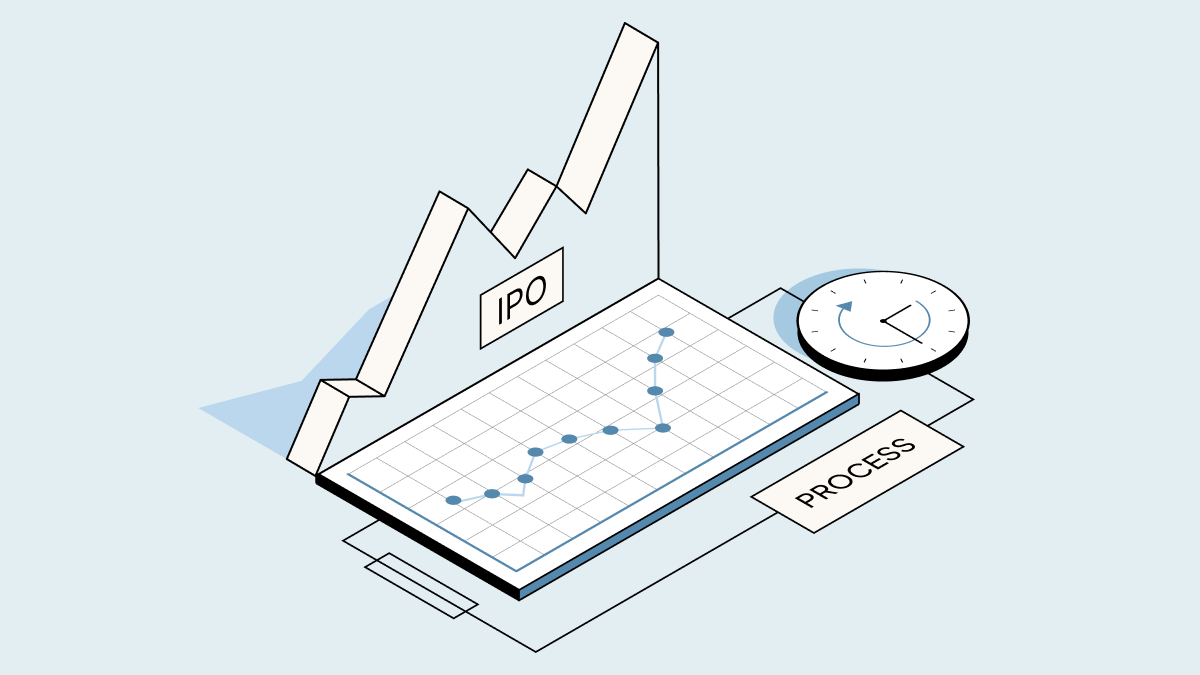
The private secondary market is where the buying and selling of private company shares occurs. This is the market that matters most to startup founders, their employees, and early investors before a company goes public or is acquired. It operates through specialized platforms and privately negotiated deals rather than on a public exchange.
With no centralized market infrastructure, manually matching supply and demand in the secondary market comes with certain limitations not found in the stock market. Some of those limitations include:
Stock transfer restrictions
No past price transparency
Less efficient price discovery
Extended settlement cycles (two to four weeks, or more)
Higher administrative and operational burdens on companies
Private secondary markets tend to be more opaque, less accessible, and less liquid than public markets. Historically, they have lacked the centralized infrastructure of exchanges like the NYSE, making it difficult for sellers to know if there is interest in buying and for buyers to know if there is interest in selling.
Trades occur less frequently, and the lack of a centralized marketplace and publicly required disclosures makes price discovery more difficult. While public secondary markets are accessible to most investors, the same isn’t true for private markets, which commonly are restricted to accredited investors who meet certain wealth or investment sophistication requirements to meet requirements under applicable securities laws.
Having fewer participants in a non-centralized secondary market makes it more difficult to manually match supply and demand. Despite these difficulties, the secondary market for private companies has grown significantly over the past decade.
This market provides a strategic advantage by allowing early stakeholders to achieve liquidity without waiting for a traditional exit. As the venture ecosystem has matured, the private secondary market has evolved into a primary channel for liquidity, with some segments of the private market seeing deals worth over $374.1 billion in a single year.
According to Carta data, total VC secondary transaction value reached an estimated $61.1 billion in the 12 months ending June 2025—surpassing the combined value of all VC-backed IPOs over the same period ($58.8 billion). The growth of this market gives founders an effective way to reward their teams and manage their equity management strategy long before an IPO.
What is a secondary market transaction?
A secondary market transaction is when shareholders of a company sell their stock to another investor. A venture secondary transaction involves the sale of private stock in a company backed by venture capitalists. Employees are frequently among the shareholders at venture-backed companies.
Companies can allow venture secondary transactions at any time, but they often do so in the weeks or months following a primary funding round. Since companies usually self-impose a cap on the size of traditional venture rounds, secondaries can be a second chance to invest for those who were excluded or did not get their desired allocation in a recent capital raise.
Between 2012 and 2021, the global market for venture secondary deals grew from $13 billion to $60 billion. This happened in part because the primary market for venture capital also grew: Over the same span, annual global venture investment rose from just over $50 billion to well north of $600 billion. This growth culminated in a record-setting 2021.
Although venture funding returned to Earth in 2022, deal activity remained well above other recent years. And venture capitalists and other private market investors are sitting on record amounts of dry powder.
The surge in primary VC fundraising has allowed companies to stay private for longer, because they can still raise ample cash without the full extent of the regulatory oversight and reporting requirements of the public market. As the timeline to a public exit stretches out, venture secondary transactions have emerged as a way for venture-backed companies to offer liquidity to early investors and employees while remaining private.
Types of private secondary transactions
Once a founder sees the benefits of offering liquidity, the next question is always, "How do private secondaries actually work?" Secondary transactions take many different forms, but they can be broken down into two major groups: tender offers and direct secondary sales.
Feature | Tender offers | Direct secondary sales |
Initiation | Company-sponsored and structured | Individual, ad-hoc transactions |
Participants | Broad participation for eligible shareholders | Typically involves a single seller and buyer |
Pricing | Consistent pricing and terms for all sellers | Pricing can be inconsistent and opaque |
Control | High degree of founder control and transparency | Less control for the company over the process |
Tender offers
A tender offer is a formal, company-sponsored event where the company or a third-party investor makes an offer to purchase shares from a broad group of eligible shareholders at a predetermined price following a 20-business day period. This process is the most organized, fair, and transparent way to provide liquidity at scale, as companies running tender offers have control over which buyers and sellers may participate and the price of the stock to be sold in the transaction.
Because the company initiates and structures the event, you maintain control over the timing, pricing, and participants. This ensures that the process aligns with your company's goals and treats all selling shareholders equally, which is essential for maintaining team morale.
Tender offers have a more regulated process under Securities and Exchange Commission (SEC) provisions than other types of secondary transactions. While there is no legal definition for a tender offer, regulators have provided guidance on the various factors to take into account in evaluating whether a translation may qualify as one.
Platforms like Carta make this complex process simple and professional, handling everything from documentation and compliance to payments and cap table updates using Carta's liquidity solutions.
Direct secondary sales
A private secondary sale, also called a bilateral trade or direct secondary sale, is when one investor sells shares in a company directly to another investor in a deal that isn’t initiated or sponsored by the company. These deals happen on an ad-hoc basis and are negotiated between the two parties, though they still typically require the company’s approval to be finalized.
These secondary transactions are often more complex for a company to manage, and can create issues for companies that like to control their cap table and equity ownership. There are no standard disclosures for these transactions, and sometimes companies provide no information at all to potential buyers and sellers. The price is negotiated between the buyer and seller, rather than being determined by the company (as it is in a tender offer). This can lead to different implied valuations across different transactions. Companies sometimes try to prevent bilateral trades because secondary transactions have historically impacted 409A valuations.
Right of first refusal
To retain as much control as they can, companies and existing investors often have a right of first refusal (ROFR) in place. This gives them the option to purchase the stock before a shareholder is permitted to enter into a direct sale to other investors. Companies also sometimes place transfer restrictions on issued stock that allow them to block direct sales, unless first approved by them.
Other private market secondaries
There are several other secondary markets across the broader private market landscape, including fund secondaries, secondary buyouts, and GP-led secondaries. Each offers one of the various participants in the private market ecosystem a path to liquidity.
Fund secondaries: A fund secondary deal involves one limited partner (LP) selling its stake in a private fund to another LP, usually because the first LP wants liquidity before the fund is able to provide it.
Secondary buyouts: In a secondary buyout, one private equity firm sells its majority stake in a company to another firm. These deals have become increasingly common as the private equity industry expands and matures.
GP-led secondaries: In a GP-led secondary, one investment fund manager (also called a general partner) sells a stake in a company from one fund to a newer fund. Sometimes, the GP owns the second fund as well, in which case the transaction allows the GP to maintain control of high-performing assets while still providing liquidity to LPs that invested in the older fund. The market for GP-led secondaries has grown rapidly, expanding from $7 billion in 2015 to $62 billion in 2021.

Why run a secondary transaction?
While it might seem complex, a secondary transaction is an effective way to solve significant business problems. For a founder, understanding the strategic benefits is the first step toward using liquidity as a tool for growth, retention, and control. A well-executed secondary can be a win-win for you, your team, and your investors.
Provide employee and founder liquidity: A secondary transaction allows your early employees and co-founders to realize some of the value they’ve worked hard to create before a major company exit. This can be a life-changing event that helps them with major purchases, like a down payment on a house, and reinforces the tangible value of their equity. It turns the promise of equity into a concrete reward, which can significantly improve morale and long-term retention.
Manage investor pressure and clean up the cap table: Offering a partial exit for early investors can relieve pressure on founders to sell prematurely, especially when funds are struggling to return capital. According to Carta data, only 30% of 2020-vintage VC funds were generating any distributions for their LPs by the end of Q1 2025. It's also an opportunity to consolidate your cap table by buying out small, inactive shareholders or bringing in a new, strategic long-term investor who is aligned with your vision. This helps you maintain control over your company's destiny and focus on your long-term goals without distraction.
Gain a competitive edge in hiring: In a competitive talent market, the promise of future liquidity can be an effective retention and recruiting tool. When employees are given an opportunity for liquidity, participation is high—median participation rates rise to 69% at Series D and 78% at Series E+. For a serial entrepreneur, demonstrating a track record of providing liquidity can be a major advantage when attracting senior talent who understand the long journey of a startup. It shows you are a founder who is committed to creating value for your team along the way, not just at the final exit.
Planning your first secondary transaction
For a founder considering a liquidity program, the process can feel daunting. However, breaking it down into clear, manageable steps makes it achievable. A well-planned secondary transaction builds trust with your team and sets you up for success by demonstrating your commitment to creating value for everyone involved.
Setting the rules and eligibility
The company’s board of directors has control over the process and must decide on the key terms of the transaction. This includes determining who is eligible to sell, such as current employees, former employees with stock options or vested shares, or early investors. The board also sets the rules for how much each person can sell and the total size of the program.
Establishing clear, fair rules from the outset is essential for building and maintaining trust with your team. These rules should be communicated transparently to ensure everyone understands the process and feels they are being treated equitably. Common considerations include:
Employee tenure requirements and holding periods
Percentage of vested shares eligible for sale
The total dollar amount of the liquidity program
Determining a fair price
The price for a secondary transaction is typically negotiated between the company and the buyer. It is often based on the company's most recent 409A valuation, which is an independent appraisal of the company's fair market value (FMV), as well as the price per share from the latest preferred financing round. In practice, the final secondary price is usually expressed as a discount or premium to the most recent preferred price per share, depending on deal specifics and market conditions.For example, in private block trades, many sellers have accepted discounts of 20% to 30% to the latest preferred round price, while buyers have sought discounts of 50% or more.
It's important to remember that a secondary transaction is a material event that will inform future 409A valuations. Therefore, having an audit-defensible process is essential for compliance, QSBS attestation, and avoiding potential tax issues down the road. Working with a trusted provider for your Carta's 409A valuation services ensures you set a fair and compliant price for your stock, giving you and your team peace of mind.
Communicating with stakeholders
Proactive and transparent communication is one of the most important parts of a successful secondary transaction. Your employees and investors will have questions, and it's your job to provide clear and helpful answers to build confidence in the process.
Be prepared to explain the "why" behind the event, the mechanics of how employees can participate, and the potential tax implications. Providing educational resources and transparent financial reporting can empower your team to make informed decisions about their equity, which is often one of their most valuable assets. Services like Carta's Equity Advisory can be a valuable partner in this process, helping you educate employees so they feel confident in their financial choices.
Keeping your cap table clean after a liquidity event
A liquidity event isn't truly over until your cap table is updated to reflect the change in ownership. This final step is critical and is often where mistakes happen, especially when relying on manual processes. Simple record-keeping methods like spreadsheets often struggle to manage the complexities of private capital, which can lead to significant errors.
Your cap table must be the single source of truth for your company's ownership. When you use disconnected systems or spreadsheets, you risk manual data entry errors that can create costly problems during Scenario Modeling for your next audit or fundraising round.
This is why using integrated equity management software is so important. When you use a single system like Carta for both cap table management and liquidity, every shareholder's holdings are updated automatically the moment the transaction closes.
To ensure your cap table remains accurate, compliant, and investor-ready, request a demo of Carta today.

Frequently asked questions about secondary markets
Can a company block a secondary sale?
Yes, companies can often control or prevent direct secondary sales through transfer restrictions in their bylaws or by exercising their Right of First Refusal (ROFR).
How does a secondary sale affect our 409A valuation?
A secondary transaction provides a new data point on the value of your company's stock. Your valuation provider must consider this sale price when determining your fair market value (FMV) in your next 409A valuation.
What are the tax implications for employees who sell shares?
Employees who sell their shares will typically owe capital gains tax on the profit from the sale, though some may qualify for qualified small business stock (QSBS) benefits. It's important for them to understand their holding period to determine if they qualify for more favorable long-term capital gains rates.
Who typically buys shares in a private secondary transaction?
Common buyers in the secondary market include existing private investment funds and institutional investors looking to increase their ownership stake, new outside investors structuring a special purpose vehicle (SPV), or even the company itself through a share buyback program.
Does a secondary transaction dilute existing shareholders?
No, a secondary transaction does not cause share dilution. Because it is simply a transfer of existing shares between a seller and a buyer, no new shares are created, and the ownership percentage of other shareholders remains unchanged.

DISCLOSURE: This communication is on behalf of eShares, Inc. dba Carta, Inc. ("Carta"). This communication is for informational purposes only, and contains general information only. Carta is not, by means of this communication, rendering accounting, business, financial, investment, legal, tax, or other professional advice or services. This publication is not a substitute for such professional advice or services nor should it be used as a basis for any decision or action that may affect your business or interests. Before making any decision or taking any action that may affect your business or interests, you should consult a qualified professional advisor. This communication is not intended as a recommendation, offer or solicitation for the purchase or sale of any security. Carta does not assume any liability for reliance on the information provided herein. ©2026 Carta. All rights reserved. Reproduction prohibited.